When Should You Soft Wash Instead of Pressure Washing?
If you own a home or commercial property in Melbourne, you have probably wondered whether pressure washing or soft washing is the better choice for cleaning exterior surfaces. The two methods are often confused, but they work very differently, and choosing the wrong one can lead to costly damage. In 2026, with more Melbourne property owners prioritising long-term maintenance and environmentally responsible cleaning, understanding the difference matters more than ever.
What Is the Difference Between Soft Washing and Pressure Washing?
Pressure washing relies on high-pressure water, often between 2,000 and 4,000 PSI or more, to blast dirt, grime and stains off hard surfaces. It is effective, but the force can be destructive on the wrong material.
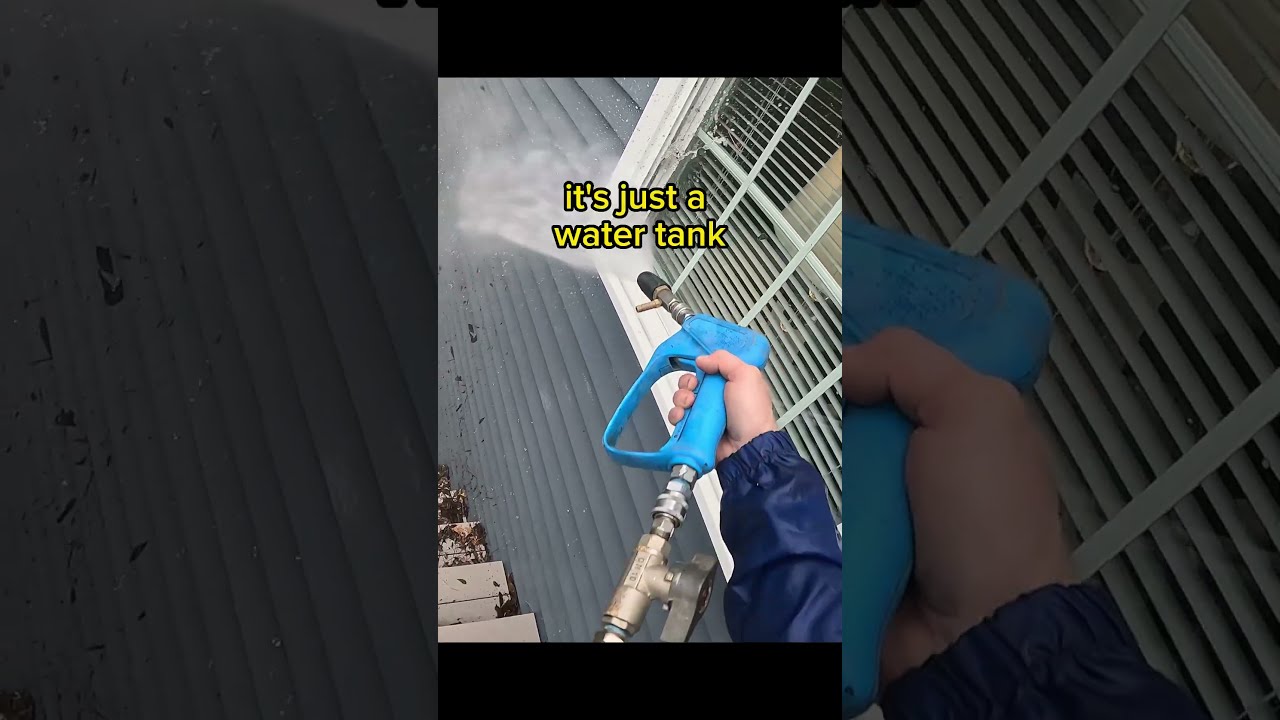
Soft washing uses low pressure, similar to a garden hose at roughly 100 to 500 PSI, combined with specially formulated cleaning solutions. These typically include a biodegradable detergent and a mild sodium hypochlorite-based solution that breaks down organic growth at the source. The water is mainly used to apply the solution and rinse it away, rather than to scrub the surface with force.
The key distinction is this: pressure washing removes dirt through force, while soft washing removes it through chemistry.
Why Melbourne's Climate Makes This Choice Important
Melbourne's weather is famously changeable, and it creates ideal conditions for organic growth on exterior surfaces. Cool, damp winters, shaded south-facing walls, and leafy suburbs from Camberwell to Williamstown all contribute to the buildup of:
- Mould and mildew on rendered walls, fences and north-facing eaves
- Algae on roof tiles, particularly in shaded or damp areas
- Lichen and moss on terracotta and concrete roof tiles, retaining walls and old brickwork
- Bacteria and organic film that cause black streaking and green discolouration
These organisms have roots or spores that embed in the surface. Pressure washing may blast off the visible layer, but it often leaves the roots behind, meaning growth returns quickly. Soft washing kills the organisms at the source, so results typically last much longer.
Surfaces That Should Be Soft Washed
Certain materials are simply too delicate or porous for high-pressure water. Here are the most common surfaces in Melbourne properties that call for soft washing.
Roofs
Roof cleaning is the clearest case for soft washing. Concrete and terracotta tiles are porous, and high pressure can crack them, strip their glazed or painted coating, and force water underneath into the roof cavity. Colorbond and other metal roofing can also be dented or have their coating damaged. Many roof tile manufacturers and roofing professionals advise against pressure washing for these reasons. Soft washing safely removes lichen, moss and algae without harming the tiles or voiding any warranty.
Rendered and Painted Walls
Acrylic render, textured coatings and painted weatherboard are all vulnerable to high pressure. Forceful water can strip paint, gouge soft render and push moisture behind cladding, leading to damp issues inside the wall. Soft washing lifts mould and dirt gently without damaging the finish.
Weatherboard and Timber Cladding
Melbourne has a large stock of weatherboard homes, especially in older suburbs. Timber fibres are easily damaged by pressure, leaving a fuzzy, splintered surface that absorbs more moisture and weathers faster. Soft washing cleans the timber without raising the grain.
Windows, Frames and Flyscreens
High pressure can break seals around window frames, allowing water into the home and causing fogging in double-glazed units. Soft washing is much safer around windows, doors and flyscreens.
Cedar, Hardwood Decks and Pergolas
Softer timbers and weathered decking can be scarred by pressure washing, leaving streaks and gouges. Soft washing paired with the right timber-safe products helps preserve the surface before re-oiling or sealing.
Solar Panels and Roof Fixtures
Solar panels are increasingly common across Melbourne homes. Pressure washing can damage panel coatings and void warranties, so a low-pressure, gentle approach is the correct method. Always check manufacturer guidelines before cleaning.
Outdoor Furniture, Fences and Vehicles
Painted fences, timber furniture, caravans and boats generally respond better to low-pressure cleaning that protects finishes and paintwork.
When Pressure Washing Is the Better Option
Soft washing is not always the answer. Pressure washing remains the right tool for hard, durable surfaces where the goal is to remove compacted dirt, oil, tyre marks or stubborn stains. Examples include:
- Concrete driveways and paths
- Brick pavers and exposed aggregate (with careful technique)
- Garage floors with oil or grease stains
- Bluestone paving, when used with an appropriate pressure setting
- Commercial loading docks and car parks
Even on these surfaces, a trained operator adjusts pressure, nozzle type and distance to avoid etching or surface damage. Many professionals combine both methods, using soft washing to treat organic growth and pressure washing to rinse or lift ground-in dirt from tough areas.
Key Signs You Need Soft Washing
Not sure which method suits your property? Look for these indicators:
- Black or green streaks on walls, roofs or fences
- Patches of moss or lichen on roof tiles
- Surfaces that look clean after washing but quickly turn green again
- Painted or rendered finishes that are flaking, chalky or fragile
- Older timber that feels soft or splintery
If you notice any of these, soft https://emiliobgam339.halcyonledger.com/posts/complete-guide-to-exterior-building-washing-in-victoria washing is likely the safer and more effective option.
Benefits of Soft Washing
Longer-Lasting Results
Because the cleaning solution kills spores and roots, regrowth takes much longer. Roofs and walls often stay cleaner for one to three years or more, depending on shade, moisture and surrounding trees.
Reduced Risk of Damage
Low pressure means less risk of cracked tiles, stripped paint, damaged seals or water ingress. This protects your property and avoids expensive repairs.
Protects Surface Life
Removing moss, lichen and algae helps prevent moisture retention that can degrade roofing materials, paint and render over time. Regular soft washing is a practical part of preventative maintenance.
Improved Kerb Appeal and Property Value
A clean roof, bright render and fresh-looking exterior make a strong impression, especially if you are preparing to sell or lease a property in Melbourne's competitive market.
Environmental and Regulatory Considerations in Melbourne
Responsible cleaning is a growing priority in 2026. In Victoria, wash water containing detergents or chemicals should not be allowed to enter stormwater drains, which flow untreated to local creeks, the Yarra River and Port Phillip Bay. Professional operators should use biodegradable products where possible, protect nearby gardens and plants, and manage runoff appropriately. Council guidelines and EPA Victoria requirements on stormwater protection apply, so it pays to choose a provider who understands local rules.
Water use is another consideration. Melbourne households are used to thinking about water efficiency, and soft washing typically uses less water than high-pressure cleaning because chemistry, rather than volume and force, does most of the work.
Is DIY Soft Washing a Good Idea?
While it is tempting to tackle mould with a bottle of bleach and a hose, the process involves more than it seems. Incorrect chemical ratios can damage plants, corrode metal fixtures, stain surfaces or create safety risks. Working at height on a roof carries serious fall hazards, which is a leading cause of injury in home maintenance. Professional operators have the training, insurance, equipment and chemical knowledge to complete the job safely and effectively.
How to Choose a Soft Washing Provider in Melbourne
When comparing local cleaners, consider asking:

- Do you hold public liability insurance and appropriate safety training for working at height?
- What cleaning solutions do you use, and how do you protect gardens and manage runoff?
- Will you inspect the surface first and recommend soft washing, pressure washing, or a combination?
- Can you provide before and after examples, references or reviews from Melbourne clients?
- Do you offer a guarantee or advice on how long results should last?
A reputable provider will assess the material and condition of your surfaces before recommending a method, rather than defaulting to one approach for every job.
How Often Should You Soft Wash Your Property?
The right frequency depends on your location and surroundings. As a general guide for Melbourne homes:
- Roofs: every two to four years, or sooner if shaded by trees
- Rendered and painted walls: every one to two years in damp or shaded areas
- Fences and timber: annually or as needed
Properties near parks, creeks, bayside suburbs or dense tree cover may need more frequent attention due to higher humidity and organic debris.

Final Thoughts
The simple rule of thumb: use soft washing for delicate, porous or painted surfaces and anything affected by living growth such as mould, algae, moss and lichen, and use pressure washing for hard, durable surfaces with heavy dirt or stains. Choosing correctly protects your investment, delivers longer-lasting results and keeps your Melbourne property looking its best through every season. If you are unsure which method suits your home, a professional inspection is the best first step, and it can save you from expensive mistakes down the track.
Melbourne Pressure Cleaning Pros
(03) 8007 3103